
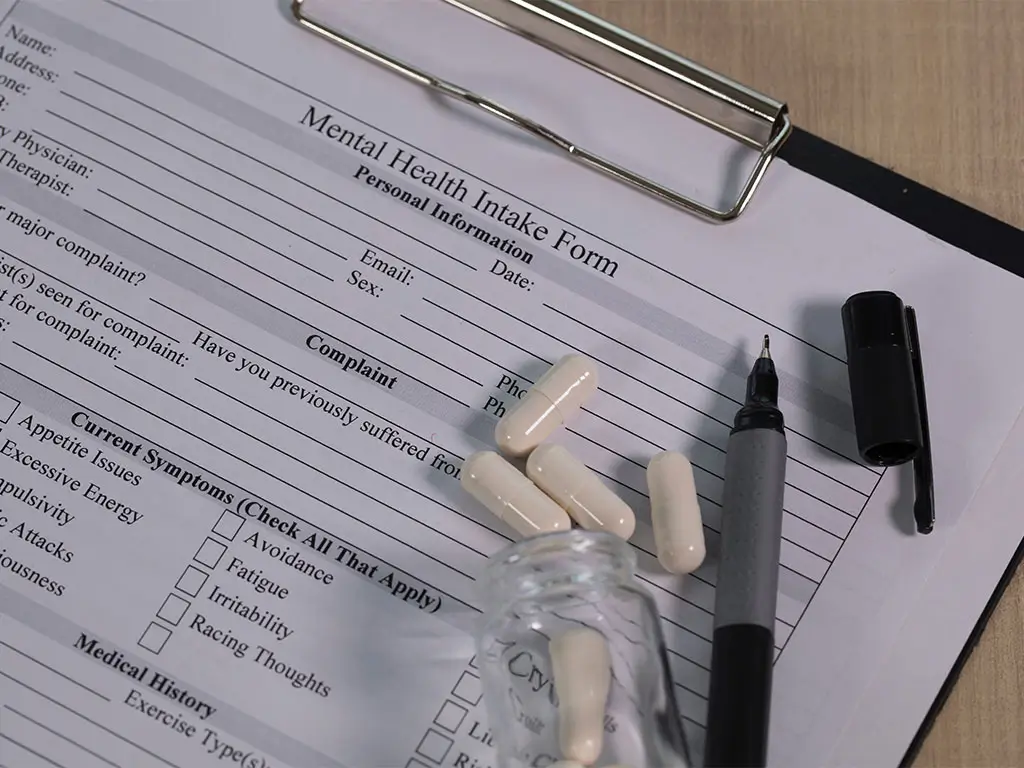
For many employees, prescription coverage feels less like a benefit and more like a gamble. A medication that was covered last year is suddenly denied, moved to a higher tier, or excluded altogether — often without warning. This experience, commonly referred to as a “formulary surprise,” erodes trust, increases financial stress, and creates real barriers to care.
As prescription coverage grows more complex, employers can no longer assume that having a pharmacy benefit means employees can reliably access the medications their doctors prescribe.
What Is a Formulary Change?
A formulary is the list of medications a health plan agrees to cover, along with how those medications are classified for cost-sharing and approval.
Formularies change frequently due to:
- Manufacturer pricing decisions
- PBM contracting strategies
- New drug approvals or withdrawals
- Cost-containment initiatives
These changes can occur mid-year, not just at renewal, leaving employees caught off guard when they go to refill a prescription they’ve taken for years.
Why Employees Lose Access to Medications
Employees often assume coverage decisions are clinical. In reality, formulary placement is largely financial.
Common reasons employees lose access include:
- Medications being removed from the formulary entirely
- Drugs moving to a higher cost tier
- New prior authorization requirements
- Step therapy protocols forcing medication changes
From the employee’s perspective, the result feels arbitrary and deeply personal, especially when the medication is working.
Read more: The Hidden Liability Costing Employers Thousands
The “Square Peg, Round Hole” Coverage Problem
Formularies are built around population-level cost strategies, not individual patient needs. This creates a mismatch between medical necessity and coverage approval.
A physician may prescribe a medication because it’s clinically appropriate, but the plan may:
- Require a different drug first
- Deny coverage outright
- Approve only after lengthy appeals
Employees are then forced to either change medications, delay treatment, or absorb unexpected out-of-pocket costs.
How Medication Issues Impact Employee Trust
Prescription access issues don’t just frustrate employees — they undermine confidence in the entire benefits program.
When employees experience formulary surprises, they often conclude:
- The plan isn’t designed with their needs in mind
- Their employer doesn’t understand the problem
- The system is intentionally confusing
This loss of trust spills over into HR, payroll, and leadership, even when none of those teams control formulary decisions.
The Role of Medication Reviews in Advocacy
Medication reviews are a critical but underused advocacy tool. Rather than reacting after a denial, proactive reviews examine:
- Whether medications align with the plan’s formulary
- Lower-cost alternatives that won’t disrupt care
- Opportunities for exceptions or appeals
- Long-term affordability for the employee
When done correctly, medication reviews shift the conversation from denial management to care navigation.

Common Employee Complaints About Prescriptions
HR teams hear the same frustrations repeatedly:
- “This medication was covered last year — why not now?”
- “My doctor says this is medically necessary.”
- “I can’t afford the new copay.”
- “No one can tell me what’s actually covered.”
These complaints are rarely about convenience. They’re about access, stability, and fear of losing effective treatment.
Read more: Open Enrollment Hangover
Coverage vs. Medical Necessity
One of the most confusing realities for employees is learning that coverage does not equal medical necessity.
Health plans cover medications based on:
- Contracted pricing
- Rebate structures
- Utilization controls
Medical necessity, however, is determined by a provider’s clinical judgment. When those two standards collide, employees are left navigating appeals, paperwork, and delays — often without guidance.
Financial Stress Caused by Formulary Gaps
When a medication is excluded or moved to a higher tier, employees may face:
- Hundreds or thousands of dollars in new monthly costs
- Interrupted treatment due to affordability
- Difficult decisions between health and finances
Over time, these gaps contribute to medication non-adherence, worsening health outcomes, and higher downstream claims costs.
How Employers Can Reduce Formulary Surprises
Employers don’t need to become pharmacy experts, but they do need visibility and advocacy.
Best practices include:
- Reviewing formularies before renewal, not after
- Understanding mid-year formulary change policies
- Offering medication navigation or review support
- Communicating proactively with employees about coverage changes
At Evergreen Benefits Group, formulary oversight is treated as an employee trust issue; not just a cost issue. By helping employers understand how prescription coverage decisions are made and where employees are most vulnerable, Evergreen supports plans that balance affordability, access, and transparency.
Turning Medication Roulette Into Predictability
Prescription coverage should never feel like a gamble. When employees can’t rely on their benefits to support consistent access to care, the system has failed them — and the employer feels the impact.
Reducing formulary surprises isn’t about eliminating change. It’s about anticipating it, communicating clearly, and advocating for employees before a denial becomes a crisis.
If your employees are experiencing medication disruptions, it may be time to take a closer look at how your formulary is working in practice; not just on paper.